In Bosnia, nobody says “let’s grab a quick coffee”. Coffee is something you sit down for. It’s how friends catch up, how neighbours welcome you, and how a slow afternoon gets even slower.
What makes it Bosnian coffee?
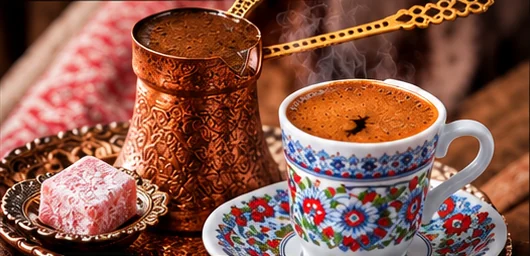
Bosnian coffee is made from very finely ground coffee, almost as fine as flour. It’s brewed in a small copper pot with a long handle, called a džezva, and poured into a small cup without a handle, called a fildžan.
It’s served on a little tray with:
- the džezva, so you pour it yourself
- the fildžan
- a sugar cube or two
- a small sweet, often rahat lokum (Turkish delight)
- sometimes a glass of water
Bosnian coffee vs Turkish coffee
They look alike, and they’re close cousins, but Bosnians will tell you they’re not the same.
With Turkish coffee, the coffee, cold water and sugar usually go into the pot together and heat up slowly.
With Bosnian coffee, the water is boiled first. A little hot water is set aside, the coffee goes in off the heat, and then the pot goes back on briefly so it foams up. Sugar isn’t cooked in. It’s served on the side, so everyone sweetens their own.
The result is a cup with a soft foam on top and a rich, smooth taste.
How to drink it
- Let it settle. Give the pot a minute so the grounds sink to the bottom.
- Pour slowly. Fill the fildžan gently so the grounds stay in the pot.
- Sweeten your way. Many Bosnians dip a sugar cube into the coffee, take a bite of it, then sip. Others drop it in. Some go without.
- Take a bite of the sweet. The lokum and the coffee were made for each other.
- Don’t rush. There’s even a Bosnian word for this feeling of slow enjoyment: ćejf.
When you get near the bottom, stop. The last sip is mostly grounds.
Try it at Sarajevo Kitchen
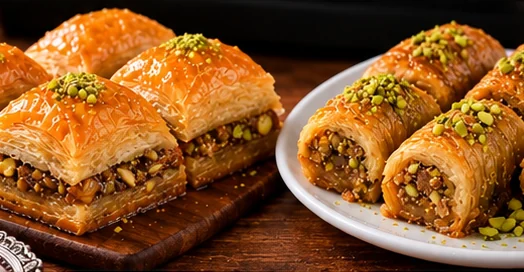
Our Bosnian coffee is freshly made and served with a small sweet treat, and it’s $4.00. Pair it with baklava or a slice of tres leches and stay a while.
Prefer tea? Read about how Turkish tea is served. Or just come see us on Mayor Magrath Drive.